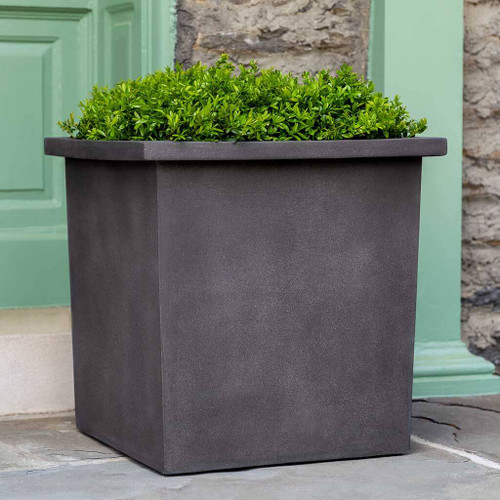

Recoleta Planter
$664.99


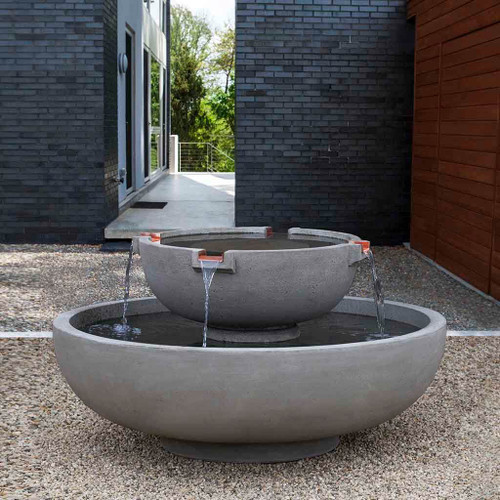


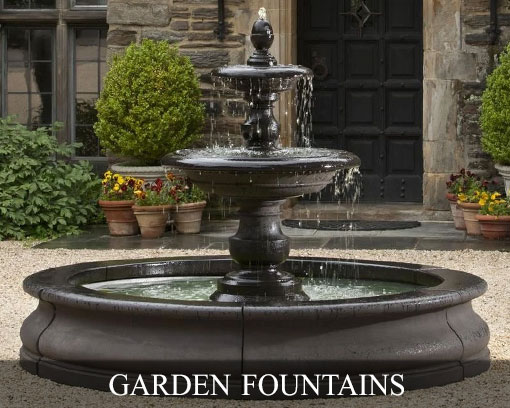
“What can I say. This is a fine company for garden fountains and products. We had a traditional medium sized classical style fountain fitted in our back garden by the team. I say medium sized but it was still quite large and heavy and of quality construct. Because of the layout of our house, access to the back isn’t so easy but the team managed to install the fountain quickly and efficiently without any damage despite a number of problems they had to overcome. After installation they left the garden looking just as they found it without any mess or damage. Very good experience.”
- NOAH
“Great service. I am very satisfied with our new fountain. The back yard is amazing now.”
- SAMUEL
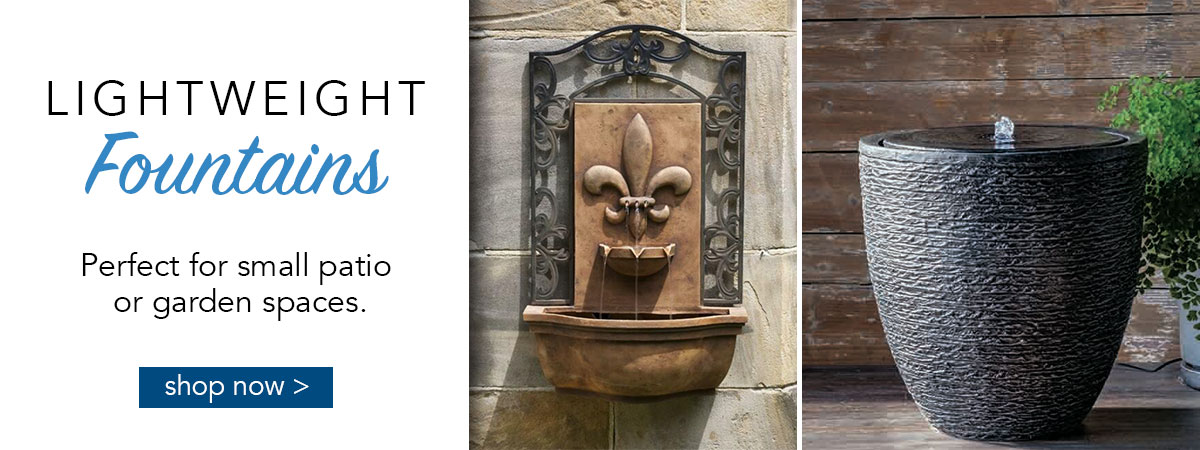
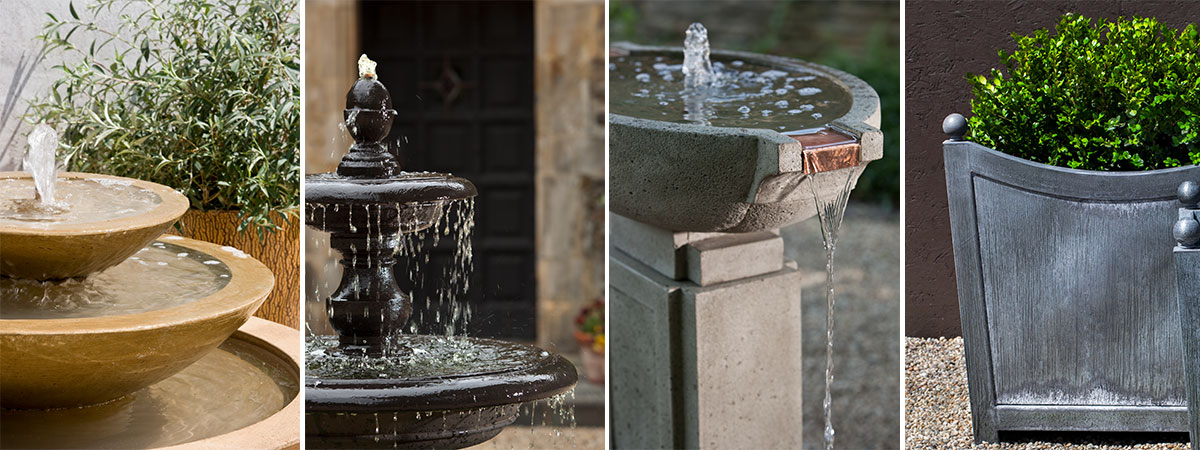
Do you wish your property could be a relaxing retreat from the troubles of your day? Adding an outdoor water fountain, planter, or birdbath will transform the look and feel of your garden, backyard, and patio.
If you’re looking for the best online garden shops, know that your journey ends here! We’ll help you flow through everything you need to know about garden enhancements to choose the type, size, style, and location to turn your space into the oasis of your dreams. We’re proud to be one of the top online garden stores in Pennsylvania, California, Texas, Florida, New York, and the rest of the country. Begin creating your picturesque outdoor space today!
Your garden is a blank canvas with which you can express yourself. By having features that add a charming character to the space and provide tranquil respite, you’re that much closer to transforming part of your property into an unforgettable oasis. Whichever aesthetic you wish to create, rest assured our online garden store has everything you need.
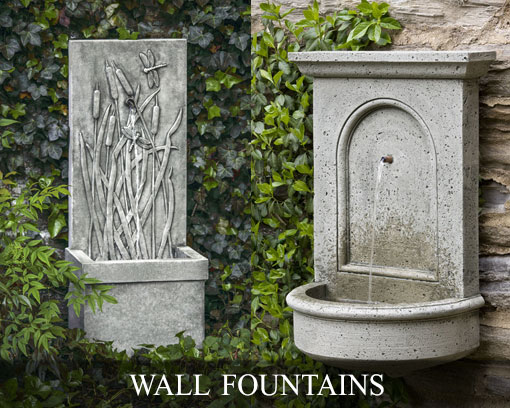
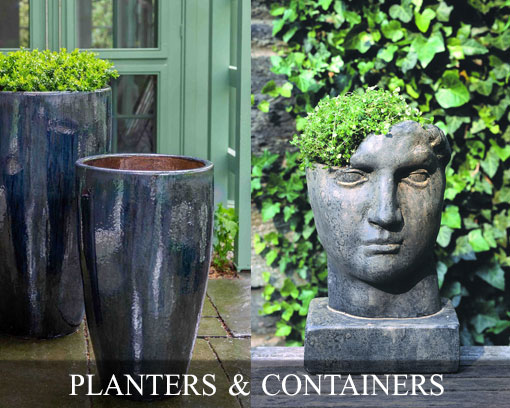
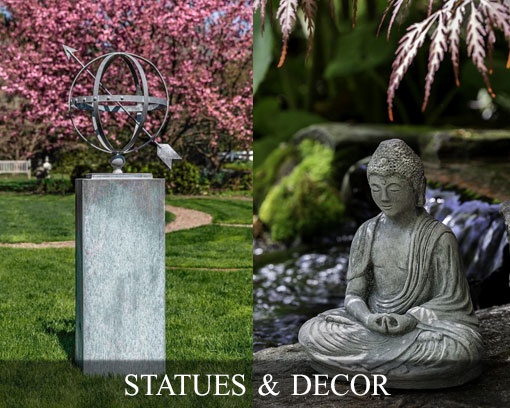
Grasp ahold of your dream garden with these garden enhancements available online:
If you’ve come this far, you’re ready to start your journey from a fledgling outdoor fountain fan to a full-fledged fountain enthusiast.
You may still have questions, and that’s okay; our online garden store’s dedicated team of specialists can help. On the other hand, if you know you’re ready to take the plunge, shop our store’s vast selection of garden products online and add one to your cart today.
On the hunt for the best online garden shops? Turn to no other than our dedicated team! We’ll deliver just what you need to turn your property into an outdoor oasis, whether you’re in Pennsylvania, California, Texas, Florida, New York or anywhere else in the country. For more information, contact us today!